Running Club Survey Questions That Tell You Why People Leave
Running club survey questions that surface why members drift away: what to ask, when to send it, how to keep it short, and what to do with the answers.
Guides, tips, and insights to help you grow your running club, organize better events, and build a stronger community.
New to running a club, or comparing tools? These six pages cover the most ground.
What one app for your roster, events, RSVPs, routes, and club chat looks like.
The first 90 days: identity, legal basics, a home base, and your first ten runs.
Recruitment that compounds and retention that holds.
What an organizer app has to do, and where RunLink fits.
A feature-by-feature comparison for club organizers.
What each tool covers for a club organizer.

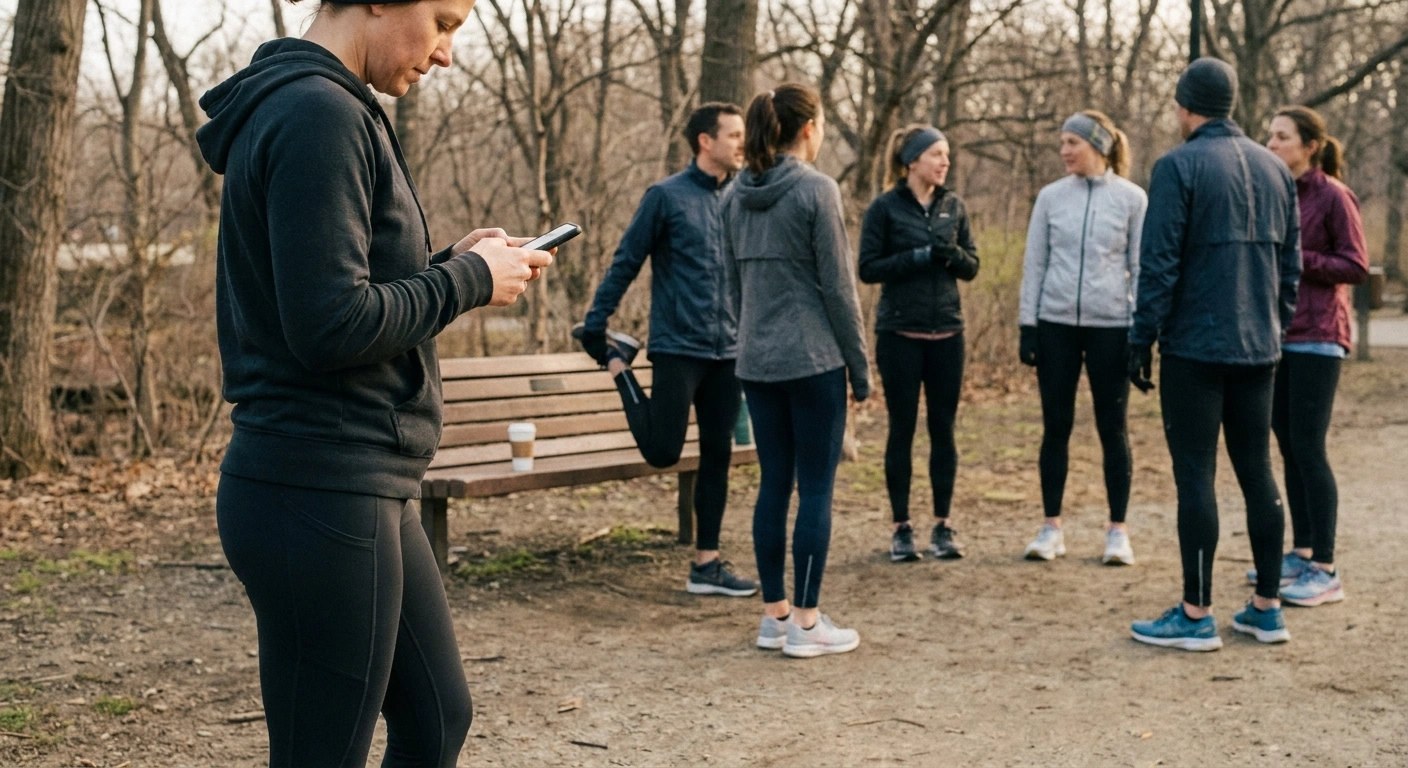
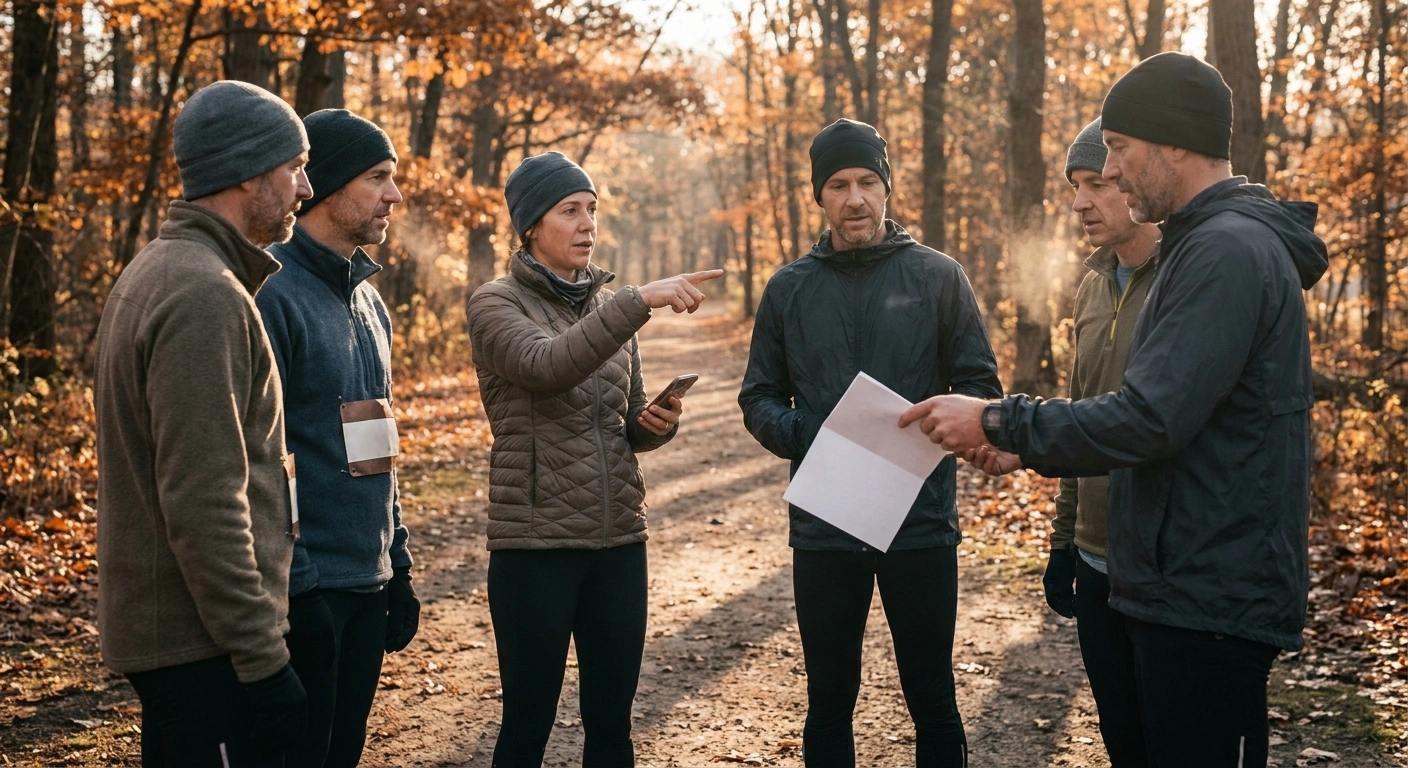
Running club survey questions that surface why members drift away: what to ask, when to send it, how to keep it short, and what to do with the answers.

Post-run social ideas for running clubs: where to meet after the run, who should host it, and how to make first-timers stay long enough to come back.

Public vs private running club: what each setting changes, the trade-offs for growth and safety, and a simple way to decide what fits your club.

Running club announcements that members actually read: what every post needs, how often to post, and who on your leadership team should own it.

Running club holiday events go better when the founder plans in October: which December Saturdays to use, three events worth running, and the January handoff.

A Halloween run club event is the easiest bring-a-friend run of the year. How organizers set the time, route and costume rules, then follow up after it.

How to delegate running club responsibilities before your own goal race: the weekly run, the chat, the cheer plan and the one page that lets others carry it.

A running specialty store partnership can give your club a home base, gear nights and new members. Here is what the store wants and what to put in writing.

A running club relay team is the best retention event on your calendar. How to pick the relay, fill teams fairly, split the logistics and keep the crew.

How to host a charity 5K as a running club: what the club owns, what to rent from a registration and timing vendor, and how to decide if it is worth it.

A running club route map on the event answers where the run goes before anyone asks. How to put a drawn route, start point, and distance on every group run.

Running club volunteer roles and term limits keep a growing club from living in one founder's head. How to write the roles, set terms, and hand them off.

Running club nonprofit status explained for founders: what 501(c)(3) actually changes, the RRCA group exemption route, and the filings that keep it alive.

How to invite friends to your running club without busywork: match phone contacts in the app, send a prefilled text to everyone else, skip the five step ask.

How to organize a running club race weekend: the shakeout run, the cheer spot, the home run that still happens, and where the plan lives so nobody asks twice.

A running club workout schedule is an operations decision, not a training plan. How many runs a week to offer, which nights, and how to actually hold them.

Running club night run safety is an attendance problem before it is a gear problem. How organizers hold weeknight turnout once evening group runs go dark.

Running club turkey trot planning starts in September. Lock the date, the permit, the charity partner, and how you take signups before October arrives.

Strava vs Meetup vs Heylo for running clubs: an honest 2026 look at what each platform really does for club organizers, and where each one runs out of road.

Beginner friendly run club events only work if nobody gets dropped. Here is how to design a first club run that a nervous new runner actually comes back from.

Running club annual planning starts in late summer. Here is how club organizers lock a calendar, budget, and leader roster before fall race season fills up.

A running club waiver template is only as strong as what it covers. Here is what belongs in yours, who has to sign, and how to keep signatures current.

How to keep running club members after race day: build the post-race plan during the training block, before your Tuesday night run quietly empties out.

Run club volunteers quit from vague, endless jobs, not hard ones. How to scope roles, share the load, and keep the people who keep the club running.

Running club payment processing, explained: when to start charging dues, how to collect them, and the reconciliation work nobody warns you about.

Your run club outgrew its systems. How to manage a run club that got too big, split the run, hand off work, and keep the culture that made it grow.

Fall race season is filling up. How to pick a goal race your whole club can train for, and use it to keep members showing up all season.

Your run club is growing faster than its leadership. How to spot, ask, and train run leaders so the founder is not the whole operation.

A running club member referral program turns your regulars into your best recruiters. How to build one that feels like an invitation, not a sales ask.

How to register a running club: which legal entity you need, when to get an EIN, 501(c)(3) versus 501(c)(7), and what RRCA membership actually requires.

Running club logo ideas that survive real use: what works on a singlet, a 40 pixel avatar, and a one color print, plus the mistakes that cost you money.

Brands are chasing run clubs in 2026. Here is how to get sponsors for your running club, what to ask for, and how to keep it good for members.

How much should a running club charge? Typical dues run $20 to $35 a year, but your RRCA dues and insurance set the real floor. Build the number up.

Running club drop-off starts as a quiet fade, not a dramatic exit. Here is how club organizers spot at-risk members early and win them back.

Stuck on running club name ideas? A founder's framework for a name that is findable, easy to say, and still fits when your club hits 200 members.

Running club event ideas for organizers: beginner runs, themed nights, socials, and signature events that turn the run club boom into members who stay.

Strava is great for logging miles, but Strava Clubs hits real ceilings for the person running the club. Here is where it stops working and what to use instead.

Running club new member onboarding is where the run club boom is won or lost. Here is a simple first-30-days plan to turn a one-time visitor into a regular.

Practical running club marketing ideas for organizers: turn the run club boom into real members with word of mouth, local store partnerships, and events.

A running club admin platform is not just an app. It is how you spread the operational load across co-admins before the founder burns out. Here is what to look for.

A no-drop pace group policy is how you keep new runners from quietly leaving. Here is how to structure pace groups so your club grows without splintering.

Free running club software sounds great until you count what it really costs. A club organizer's honest guide to free tools, hidden fees, and what to look for.

Run club community building is what keeps members after the novelty fades. Practical ways founders turn a start-line crowd into a club people belong to.

The run club boom is real, but new members quietly leak out the back. Here is why a single running club member database beats five scattered group chats.

A running club social media strategy for founders: use Instagram and TikTok to recruit members in the 2026 run club boom, and convert followers to members.

Your first run club meeting decides who comes back. Here are first run club meeting ideas and an opening-day structure that turns strangers into regulars.

RunLink vs Meetup for running clubs. After Meetup tripled organizer fees, here is an honest look at which platform actually fits the person running the club.

Run clubs are getting flooded with first timers. Here is how organizers turn a one-time Wednesday-night visitor into a real member who keeps coming back.

Running club insurance requirements explained for founders: what waivers and general liability coverage you need, what RRCA requires, and the records to keep.

How to attract Gen Z runners to your club in 2026: founder-tested, data-backed tactics to turn the run club boom into members who actually keep showing up.

Learn how to consolidate running club tools from a sprawl of eight apps into one stack, with a simple audit, a keep-merge-kill sort, and a safe migration plan.

A running club communication platform replaces the WhatsApp, Discord, and GroupMe sprawl with one channel your members actually read. Here is what it needs to do.
A running club attendance tracker stops the headcount guesswork, reveals who is drifting, and turns Saturday mornings into data your club can actually use.

Most running apps are built for individual runners. Here is what an app built for the club organizer needs to do, and how to evaluate one for your club.

RunLink vs Heylo for running club organizers: what each app covers today, where Heylo is ahead, and which one fits how your club runs. Heylo facts dated October 2, 2026.

A real running club RSVP system replaces the WhatsApp poll, the Google Form, the Strava event, and the spreadsheet. Here is what it should actually do.

Running club roster management is broken when your member list lives in Strava, Sheets, Eventbrite, WhatsApp, and Mailchimp. Here is how to fix it.

How to recruit running club members in 2026 without burning out. 12 tactics for run club founders, presidents, and admins, ranked by what actually works.

RunLink vs Strava Clubs for running club organizers: what each covers today, where Strava is ahead, and how to use both. Strava facts dated October 2, 2026.

Why running club members drop off, the 90-day window that decides retention, and five practical strategies to keep your core members for years instead of months.

Practical strategies for club organizers who want to grow their running community through smarter recruitment, retention, events, and local partnerships.